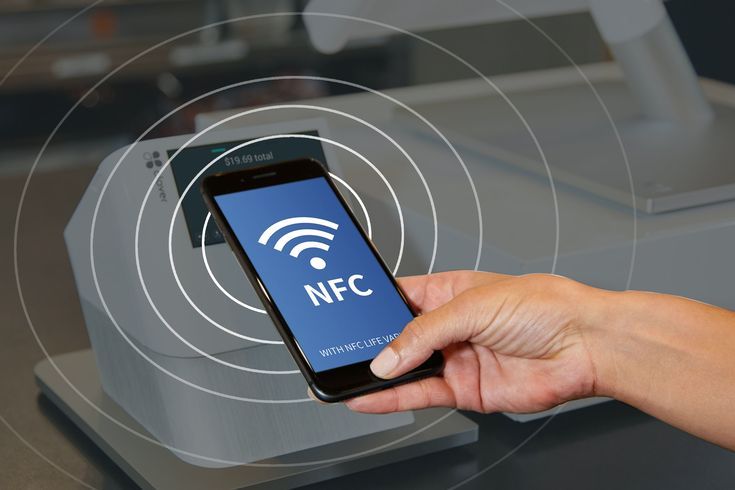
What Is NFC Technology? A Complete Guide for Beginners in 2026
Understanding NFC Technology: A Beginner’s Introduction
Near Field Communication (NFC) technology has become one of the most powerful tools in modern digital interaction, especially in 2026, where smartphones, smart cards, and contactless systems dominate everyday life. NFC is a short-range wireless communication method that enables two devices to exchange data simply by bringing them close together. This interaction happens instantly without pairing, making it faster and easier than Bluetooth or Wi-Fi. For beginners, NFC might sound like a complex term, but in reality, it is a simple technology that works quietly behind the scenes every time you tap your card on a machine, make a contactless payment using your mobile phone, or connect your device to a smart tag. At MujtabaAccessCard, we see NFC as the backbone of smart access solutions because it offers secure, quick, and efficient digital communication. Whether you want an NFC business card, access card, or automation solution, understanding how NFC works gives you clarity about why millions of people and businesses rely on it daily.
The Evolution of NFC: How It Became Essential in 2026
NFC did not just appear overnight; it evolved over years of improvement in Radio Frequency Identification (RFID) systems. Originally used in inventory tracking and industrial applications, RFID inspired a more user-friendly technology that consumers could use daily — and that is how NFC was developed. Over the past decade, NFC has shifted from a convenience feature to a necessity. In 2026, almost every modern smartphone, smart watch, access card, hotel room key, office entry system, and digital identity card depends on NFC. Its evolution was driven by the need for secure communication, faster connectivity, and smoother digital experiences. As contactless services increased worldwide — especially after the rise of digital transactions — NFC became the preferred choice for businesses and security systems. Today, companies like MujtabaAccessCard use NFC to offer smarter access cards, digital identity solutions, and personalized NFC business cards that replace traditional paper cards. Its evolution shows how important seamless connectivity has become in our daily lives.
How NFC Works: The Simple Science Behind the Technology
NFC works through electromagnetic induction, allowing data to transfer between two devices placed within a few centimeters of each other. These devices use tiny antennas that generate a magnetic field, which helps them communicate instantly without requiring a power source in both devices. For example, your NFC card often does not have a battery — it receives power from the NFC reader when brought close to it. This simple push-and-pull communication makes NFC extremely efficient, reliable, and energy-friendly. Unlike Bluetooth, NFC does not need pairing or long setup procedures; and unlike QR codes, it does not require scanning through a camera. Everything happens automatically through a tap or touch. This makes it useful for access control systems, digital payments, and smart automation. At MujtabaAccessCard, we specialize in NFC solutions that use this scientific principle to offer secure data exchange, ensuring your access cards, digital profiles, or contact details can be shared instantly without any risk of unauthorized access.
Key Benefits of NFC Technology for Everyday Users
The biggest advantage of NFC technology is its convenience. It allows people to connect, share, and access information with a simple tap, reducing the need for physical cards, paperwork, or lengthy verification steps. NFC is also highly secure because the short communication distance minimizes the chance of data interception, making it ideal for access cards and payment systems worldwide. Another major benefit is versatility — NFC can store digital business card information, open office doors, connect to Wi-Fi networks, verify identity, or even launch apps on smartphones. In 2026, businesses are rapidly adopting NFC-based solutions because they improve workflow efficiency and reduce operational costs. For customers, NFC eliminates the hassle of carrying multiple keys or cards by allowing multiple data profiles on a single NFC card. At MujtabaAccessCard, our NFC products help users experience smoother digital interactions, whether they are accessing apartments, sharing their business profiles, or automating everyday tasks.
NFC vs RFID: Understanding the Difference for Smarter Choices
Many beginners confuse NFC with RFID, but while they are related, they serve different purposes. RFID works over longer distances and is commonly used for tracking, logistics, and warehouse management. NFC, on the other hand, operates at a very short range, usually up to 4 cm, making it more secure and suitable for personal and business usage. NFC also supports two-way communication, meaning both devices can send and receive data, unlike RFID which often works one-way. This is why NFC is used for payments, digital cards, and access control — it requires accuracy, instant response, and secure handshaking between devices. RFID is excellent for industrial usage, but NFC is designed for direct human interaction. At MujtabaAccessCard, we provide both NFC cards and RFID duplication services, ensuring customers understand which option fits their needs. Whether you need a smart card for your office, apartment, or personal identity, knowing this difference helps you choose the right technology with confidence.
Types of NFC Devices: Cards, Tags, Smartphones, and More
NFC technology is flexible because it comes in many forms, making it useful for both personal and business applications. The most common type is the NFC card, which looks like a standard debit or access card but contains a tiny chip that stores data. These cards are widely used for office entrances, hostel rooms, hotel keys, apartment gates, and digital business cards. At MujtabaAccessCard, we customize NFC cards for different needs, whether you want multi-purpose access or a professional NFC business card that opens your digital profile with a tap. Another popular form is the NFC tag, a small programmable sticker used for automation. You can stick it on walls, desks, or objects to trigger actions like turning on Wi-Fi, opening social media profiles, or launching apps. Smartphones are also powerful NFC devices because they can read, write, and emulate cards. Smartwatches, POS machines, and access readers are part of the NFC ecosystem as well. The strength of NFC lies in this variety — whether you want to share information, secure an entry point, or automate tasks, there is always an NFC device designed for that purpose. In 2025, these devices have become even more advanced, offering better memory, stronger encryption, and compatibility with all major platforms, making NFC a universal standard for modern connectivity.
NFC Tags: What They Are and How They Are Used Today
NFC tags are small, programmable chips that store data and perform actions when tapped by an NFC-enabled smartphone. Even though they are tiny, they are extremely powerful. An NFC tag can hold URLs, app links, commands, contact information, Wi-Fi credentials, or custom actions that instantly trigger on your phone. For example, a user might place an NFC tag near their desk so that when they tap it, their phone automatically switches to silent mode, connects to office Wi-Fi, and opens work-related apps. Businesses use NFC tags for customer engagement by embedding them in menus, posters, product packaging, or shop counters. When customers tap the tag, they instantly receive product details, discount codes, or digital menus. At MujtabaAccessCard, NFC tags are programmed for automation, marketing, smart business cards, and quick-access systems. The beauty of NFC tags in 2026 is their simplicity — no apps, no scanning, just tap and go. As more people learn how to use them, NFC tags continue to shape the future of smart homes, office workflows, and contactless interactions around the world.
NFC Cards: The Most Popular Form of Contactless Access
Among all NFC devices, NFC cards remain the most widely used because of their convenience, durability, and universal compatibility. These cards store data inside an embedded NFC chip, which can be read or written through a compatible device. They are commonly used in offices, residential buildings, parking areas, hotels, gyms, universities, and coworking spaces. In 2026, NFC cards have become smarter, allowing multiple access credentials to be stored on a single card. People now use one card for office entry, elevator access, home gate entry, and even digital identity sharing. The advantage of NFC cards is their reliability — they do not need batteries, wires, or charging. They work instantly when placed near a reader. MujtabaAccessCard provides high-quality NFC cards customized for security, branding, and multi-use purposes. Whether you want a stylish NFC business card with your digital profile or a secure access card for your building, NFC cards offer unmatched speed and practicality. Their durability and ease of use make them a top choice for both individuals and organizations that value seamless and secure access control.
NFC in Smartphones: Transforming Daily Connectivity
Smartphones have turned NFC into a daily necessity. Today, nearly every modern mobile device comes with an NFC chip, allowing users to make payments, share contacts, connect to devices, or read and write NFC tags. The most common use is contactless payments, where apps like Google Pay or Apple Pay allow users to pay simply by tapping their phone on a POS machine. Smartphones also use NFC for digital business cards, allowing professionals to instantly share their contact details through a tap. At MujtabaAccessCard, many clients use smartphone NFC features to program their custom cards, store multiple access profiles, or automate tasks. NFC in phones is also used for pairing accessories like headphones or speakers with just one touch. In 2026, smartphones have made NFC even more powerful by improving reading speed, security encryption, and compatibility with UID-changeable cards. This evolution means anyone can use NFC without technical knowledge. With a simple tap, people can unlock doors, exchange data, automate routines, and replace traditional ID cards — making smartphones one of the strongest drivers of NFC technology in daily life.
NFC in Contactless Payments: The Future of Secure Transactions
One of the biggest reasons NFC became globally famous is because of its role in contactless payments. When you tap your card or smartphone on a payment terminal, NFC technology makes the transaction happen instantly and securely. Unlike magnetic strip cards, NFC payments use tokenization, where your real card number is never shared with the merchant. This adds an extra layer of security and protects users from card theft or fraud. In 2026, NFC payments have become the norm in restaurants, shopping malls, fuel stations, pharmacies, and even online deliveries. People prefer NFC payments because they are fast, hygienic, and reliable. For businesses, accepting NFC payments increases customer satisfaction and reduces waiting time. What makes NFC payment systems powerful is their extremely short communication range — which greatly reduces interception risks. Smartphones and smartwatches have further popularized NFC payments because users can pay without carrying physical cards. While MujtabaAccessCard focuses mainly on access cards and duplication services, NFC payment systems share the same core technology, proving how versatile and trustworthy NFC has become. As digital financial systems continue to grow, NFC stands at the center of secure and instant transactions worldwide.
NFC for Access Control Systems: Why Businesses Prefer It
In 2026, NFC has become the leading technology for access control systems because it provides a fast, secure, and highly reliable solution for managing entry into buildings, offices, apartments, and restricted zones. Unlike physical keys, which are easy to lose or duplicate, NFC cards and tags offer a higher level of protection tied to unique digital identifiers. Businesses prefer NFC access control because it simplifies employee management — instead of issuing and tracking multiple keys, administrators can assign or update access instantly through software. NFC cards also support multi-level access, meaning one card can allow an employee to enter specific doors, rooms, elevators, or floors depending on their role. For residential areas, NFC-based gate access ensures only authorized residents or guests can enter the premises. At MujtabaAccessCard, most clients request NFC access solutions because they are cost-effective, durable, and far more secure than traditional systems. Additionally, with NFC, organizations can track entry logs, enhance visitor management, and integrate with security cameras and alarm systems. Its short communication range ensures that unauthorized scanning is nearly impossible, making it a trusted technology for modern security. As businesses move toward digital transformation and contactless environments, NFC remains the top choice due to its convenience, safety, and long-term reliability.
NFC for Smart Homes: Automating Daily Tasks Effortlessly
Smart homes have rapidly evolved, and NFC plays a major role in making them more intuitive and automated. NFC tags placed in key areas of the home can trigger actions on your phone or smart devices instantly. For example, tapping a tag near your front door can turn on lights, disable security alarms, connect your phone to home Wi-Fi, or open your digital notebook. Another tag near the bed can switch your phone to silent mode, set an alarm, and turn off unnecessary appliances. These simple actions save time and offer a futuristic experience. Smart homeowners also use NFC for controlling smart locks, automating garden sprinklers, launching routines on Alexa or Google Home, or managing home office setups. At MujtabaAccessCard, many customers purchase programmable NFC tags to integrate with their daily routines, especially those working from home. One advantage of NFC automation is that it does not depend on internet connectivity — everything works through direct, secure communication between your smartphone and the tag. This makes NFC more reliable than Wi-Fi or Bluetooth-based automation. In 2026, smart homes powered by NFC have become mainstream because they offer personalization, simplicity, and hands-free convenience. By using well-placed NFC tags, homeowners can transform ordinary spaces into responsive smart environments that adapt to their lifestyle with a single tap.
NFC in Digital Business Cards: The Modern Way of Networking
Traditional paper business cards are slowly fading out, especially as professionals prefer smarter, eco-friendly solutions that reflect modern branding. NFC digital business cards are now the most effective networking tool because they allow users to share their complete profile with just a tap on any smartphone. Instead of handing out dozens of paper cards that often get lost or thrown away, NFC business cards store your contact details, website links, portfolio, social media profiles, and company Information in one digital page. This ensures your details stay saved instantly on the other person’s phone. At MujtabaAccessCard, NFC business cards are one of the most demanded products because they offer customization, premium designs, and long-lasting chips. Professionals love them because they create a strong first impression and show that they are updated with the latest technology trends. Businesses prefer NFC cards because they reduce printing costs and help maintain consistent branding. In 2026, digital business cards are also climate-friendly since they eliminate paper waste entirely. Whether you are a freelancer, entrepreneur, real estate agent, photographer, or corporate employee, NFC business cards elevate your networking experience by making it fast, modern, and memorable. With one tap, your information becomes accessible and shareable, making connections more effective and professional.
NFC Security: How Safe Is the Technology in 2026?
One of the biggest questions beginners ask is whether NFC technology is truly safe, especially when it is used for access control and digital payments. The good news is that NFC is designed with strong security features that make it one of the safest communication technologies today. First, NFC operates within an extremely short range — usually just a few centimeters — which prevents remote hacking or scanning from a distance. Second, NFC uses encrypted communication protocols to protect sensitive data such as access credentials, payment information, or digital IDs. Third, NFC requires intentional user interaction, which means accidental or unauthorized taps are nearly impossible. In 2026, security advancements in smartphones and access systems have made NFC even safer through tokenization, password protection, UID authentication, and anti-cloning techniques. At MujtabaAccessCard, our NFC products include chips from trusted global manufacturers known for durability and security compliance. We also educate users on safe practices, such as avoiding unknown tags and securing their devices with authentication methods. Compared to QR codes, magnetic strips, or traditional RFID cards, NFC provides a significantly more secure environment. This is why it is trusted for banking, office entry, hotel systems, and identity verification. As the world continues to adopt digital-first solutions, NFC stands strong as a reliable and secure technology for both personal and professional use.
Common Misconceptions About NFC Technology
Despite its popularity, NFC still comes with several misconceptions that confuse beginners. One common myth is that NFC drains a lot of battery, which is not true — NFC uses extremely low power and only activates when the device is close to a tag or card. Another misconception is that anyone can easily steal your data by scanning your NFC card from a distance. In reality, the short communication range and encryption make such attacks nearly impossible. Many people also believe NFC is only for payments, while in fact, it is used for access control, automation, digital business cards, marketing, and device pairing. Some users think they require special apps for reading NFC cards, but most modern smartphones already have built-in NFC readers. Another misconception is that NFC tags are complicated to use, yet anyone can program them using simple mobile apps. At MujtabaAccessCard, we often meet customers who initially worry about NFC cloning risks, compatibility issues, or device limitations. Once they understand how the technology works, they realize NFC is a safe, practical, and versatile tool for daily life. Clearing these misconceptions helps individuals and businesses adopt NFC confidently and take full advantage of its capabilities. As awareness increases in 2026, NFC continues to grow as a user-friendly and trustworthy technology that enhances convenience and efficiency.
How NFC Enhances User Experience in Modern Devices
In 2026, modern devices are built with the goal of making life simpler, and NFC technology plays a major role in achieving this. Whether you use a smartphone, smartwatch, tablet, or even a smart appliance, NFC enhances the overall user experience by creating seamless interactions between devices. For instance, pairing Bluetooth accessories has always been a struggle due to long scanning and connection times, but with NFC, users can pair devices instantly by just tapping them together. This “tap-to-connect” feature is now a standard in many consumer electronics brands. NFC also streamlines daily tasks such as sharing files, connecting to Wi-Fi networks, launching mobile apps, and automating routines. The beauty of NFC lies in its simplicity — actions that once took multiple steps can now be completed with a single tap. For companies like MujtabaAccessCard, this improvement in user experience strengthens the value of NFC cards and tags because customers can interact with technology more naturally and efficiently. With NFC-enhanced devices, there’s no need for complicated setups, passwords, or manual pairing. Everything is designed to be intuitive, fast, and enjoyable. As digital convenience becomes a priority for both consumers and businesses, NFC remains at the heart of user-friendly, modern device experiences that blend technology with everyday life.
NFC and IoT: The Future of Connected Living
NFC and the Internet of Things (IoT) together form a powerful combination that drives the future of connected homes, smart workplaces, and automated environments. While IoT allows devices to communicate over the internet, NFC provides the secure, short-range layer that allows physical interaction with these devices. The two technologies complement each other perfectly — IoT connects, and NFC triggers. For example, tapping an NFC tag placed near a smart thermostat can activate preset room temperatures. Similarly, an NFC card can trigger IoT lighting systems, security alarms, or smart appliances. In offices, IoT-powered access gates connected with NFC allow for automatic attendance logging, visitor tracking, and smart entry solutions. For businesses adopting digital transformation in 2026, combining NFC with IoT creates a seamless workflow that increases efficiency. MujtabaAccessCard already provides NFC solutions compatible with smart gates and IoT sensors, helping organizations upgrade their physical and digital systems. What makes NFC ideal for IoT environments is its simplicity and reliability — it works instantly without relying on internet stability. As the world moves toward hyper-connected living, NFC continues to strengthen IoT systems, ensuring secure, fast, and intelligent interactions that redefine convenience and automation.
Real-World Examples of NFC in Daily Life
NFC is no longer a futuristic concept — it is already part of everyday life, often without people realizing it. When you unlock a hotel room using a tap card, that’s NFC at work. When you tap your phone to pay at a store, it’s powered by NFC. Accessing offices, gyms, co-working spaces, hostels, and parking areas often uses NFC cards. Even when sharing Wi-Fi details or digital business profiles, NFC simplifies the process with one tap. In transportation systems, NFC is used for metro cards, bus passes, toll systems, and ticket validation. Restaurants and cafes now use NFC tags on tables to provide instant menus or online ordering. In retail, brands place NFC tags on product packaging for authenticity verification and customer engagement. At MujtabaAccessCard, many customers use NFC business cards to share their contact details, portfolios, and websites in a single tap — replacing outdated paper cards. NFC is also used in healthcare, schools, event management, and smart homes, proving its versatility. These real-world examples show how NFC has quietly integrated into routine tasks, making interactions faster and more convenient. In 2026, NFC continues to expand across industries, improving communication and transforming the way people connect with technology in daily life.
The Role of NFC in 2026: Trends and Predictions
As we move deeper into 2026, NFC technology is more relevant than ever before. One major trend is the rise of digital identities, where NFC cards store personal identification, employee data, or student information. Another trend is the widespread use of NFC business cards as the corporate world shifts toward eco-friendly, modern communication tools. In the retail and hospitality sectors, NFC tags are expected to replace QR codes because they offer faster, more secure interactions without requiring camera scanning. Smart cities are also adopting NFC for public transport, automated parking, and digital ticketing systems. Predictions for the coming years suggest that NFC-enabled wearables, such as wristbands and watches, will become more common, offering health tracking, access control, and payment features in a single device. For businesses like MujtabaAccessCard, the future looks promising as demand increases for NFC cards, UID-changeable cards, and smart access solutions. The growth of NFC is driven by its reliability, low energy consumption, and broad compatibility with modern devices. With digital transformation accelerating across industries, NFC is set to remain at the forefront of secure, contactless communication.
Why NFC Is Still the Best Choice for Secure and Easy Communication
Despite the rise of new wireless technologies, NFC remains the most trusted option for secure and easy communication because of its unique balance of convenience, safety, and speed. Its extremely short communication distance makes unauthorized scanning nearly impossible, while its encrypted protocols protect sensitive data. Unlike Bluetooth and Wi-Fi, NFC requires no pairing, no passwords, and no complex setup — just a simple tap. This makes it ideal for access cards, payments, automation, and digital identity sharing. For businesses, NFC reduces operational challenges by simplifying access control and improving workflow efficiency. For individuals, it eliminates the need for multiple keys, cards, or paperwork. At MujtabaAccessCard, we rely on NFC because it offers consistent performance, durability, and versatility for countless applications. As technology evolves, NFC continues to prove that the best solutions are often the simplest. Its ability to integrate with smartphones, smart homes, and IoT devices ensures that NFC will remain a core part of modern communication for many years to come. In a world where fast, secure, and contactless interactions are essential, NFC stands strong as the most reliable technology for everyday use.