Why Digital Business Cards Are the Future of Professional Networking
1. Introduction to Digital Business Cards
Digital business cards are transforming professional networking by replacing traditional paper cards with interactive, shareable, and eco-friendly alternatives. With features like instant contact sharing, social media integration, and NFC connectivity, digital cards streamline connections and improve the efficiency of networking in modern business environments.
2. How Digital Business Cards Work
Digital business cards use NFC business cards, QR codes, or specialized apps to share contact information instantly. A tap or scan transfers details like name, phone number, email, company, and social profiles directly to a smartphone. This eliminates the need for manual data entry, reduces errors, and enhances the networking experience.
3. Advantages Over Traditional Business Cards
Digital business cards offer numerous advantages: they are eco-friendly, easy to update, reduce clutter, and allow multimedia integration such as videos or portfolio links. For professionals, this means more effective networking, instant follow-ups, and a modern approach to sharing professional credentials.
4. NFC Business Cards for Seamless Networking
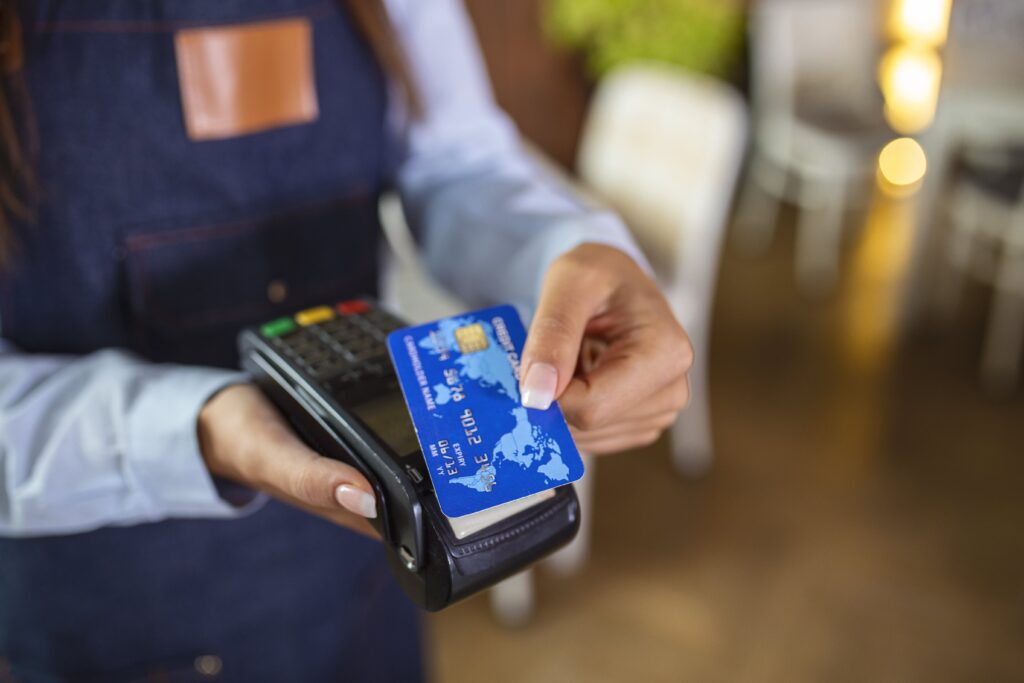
NFC business cards allow users to share contact details by simply tapping the card on a smartphone. This contactless exchange is fast, reliable, and secure. NFC cards also support dynamic updates, meaning recipients always have the most current information without needing a new card.
5. Smart Business Cards With Analytics
Some smart business cards include analytics features, tracking when and where the card was accessed. This helps professionals measure engagement, understand networking effectiveness, and tailor their approach to building relationships. Data-driven insights make digital business cards more strategic than traditional paper alternatives.
6. Cost-Effectiveness Compared to Paper Cards
Digital business cards are more cost-effective than traditional paper cards in the long run. There’s no need for repeated printing, and updates are instant, reducing waste and saving money. For professionals and companies looking to network efficiently while minimizing expenses, digital cards offer a smart and sustainable solution.
7. Eco-Friendly Networking Solution
By eliminating paper, digital business cards contribute to environmental sustainability. Using digital business cards helps professionals reduce their carbon footprint and align their networking practices with modern eco-conscious values. This makes digital cards not just convenient but also socially responsible.
8. Easy Updates and Information Management
One of the biggest advantages of digital cards is the ability to update information in real-time. If a professional changes jobs, phone numbers, or social links, updates reflect immediately across all previously shared cards. This ensures accurate contact information for recipients without wasting printed resources.
9. Integration With Social Media and CRM Systems
Digital business cards can integrate with LinkedIn, email platforms, and CRM systems. This allows seamless follow-ups, lead tracking, and relationship management. Professionals can maintain organized contact records, enhancing the efficiency of networking events, conferences, and corporate meetings.
10. Enhanced Security and Privacy
Digital business cards offer better privacy and security compared to paper cards. Contact details are shared selectively, and access can be controlled via apps or NFC settings. Unlike paper cards, they reduce the risk of lost or misused personal information, protecting professionals’ sensitive data while maintaining secure networking.
11. Convenience at Networking Events
Digital business cards simplify professional networking at conferences, trade shows, and business meetings. Professionals can instantly share their contact details with multiple people without carrying stacks of paper cards. This convenience saves time, improves interaction quality, and makes networking more efficient.
12. Multimedia Integration for a Stronger Impression
Unlike traditional cards, digital business cards can include videos, images, or links to portfolios. This multimedia integration helps professionals leave a lasting impression, showcase their work effectively, and highlight achievements, enhancing engagement and memorability in competitive networking environments.
13. Global Networking Made Easy
Digital cards enable effortless global networking. Information can be shared instantly across borders without postal delays or translation errors. Professionals can connect with international clients, partners, or colleagues seamlessly, expanding their network and business opportunities worldwide.
14. Tracking ROI and Networking Effectiveness
Many digital business card platforms include analytics to track engagement and measure networking effectiveness. Professionals can see which contacts viewed their cards, accessed portfolios, or interacted with links. This data helps improve follow-up strategies, maximize return on investment (ROI) from networking events, and refine professional outreach.
15. Strengthening Personal and Corporate Branding
Digital business cards support personal and corporate branding by allowing consistent presentation of logos, design, and professional identity. A well-designed digital card reflects professionalism, innovation, and tech-savviness, reinforcing brand image while enabling meaningful connections with clients or partners.
16. Cost Efficiency for Businesses
For companies, investing in digital business cards reduces the recurring cost of printing traditional cards. Bulk issuance of digital cards to employees is cheaper, and updates are instant, ensuring accurate information without additional expenses. This makes digital cards a smart choice for cost-conscious businesses seeking scalable networking solutions.
17. Eco Impact and Sustainability
Digital cards contribute significantly to eco-friendly professional networking. By eliminating paper production and disposal, companies and individuals reduce their environmental footprint. Adopting digital business cards demonstrates social responsibility and aligns with modern sustainability trends in corporate culture.
18. Easy Sharing via Multiple Channels
Digital business cards can be shared through NFC, QR codes, email, or messaging apps. This flexibility enhances professional networking by enabling instant connection in both physical and virtual environments. Professionals can reach contacts efficiently, regardless of location or medium.
19. Future Trends: NFC and Smart Cards
The adoption of NFC business cards and smart cards is growing rapidly. These cards allow contactless sharing, support real-time updates, and integrate with mobile and cloud platforms. Future trends suggest widespread adoption of smart, interactive business cards that enhance networking efficiency and security.
20. Conclusion: Why Digital Business Cards Are the Future
In conclusion, digital business cards are transforming professional networking by offering convenience, security, multimedia integration, and eco-friendliness. NFC-enabled cards and smart features ensure real-time updates, global reach, and measurable engagement. For professionals and businesses seeking modern, efficient, and sustainable networking solutions, digital business cards are clearly the future of professional connections.